
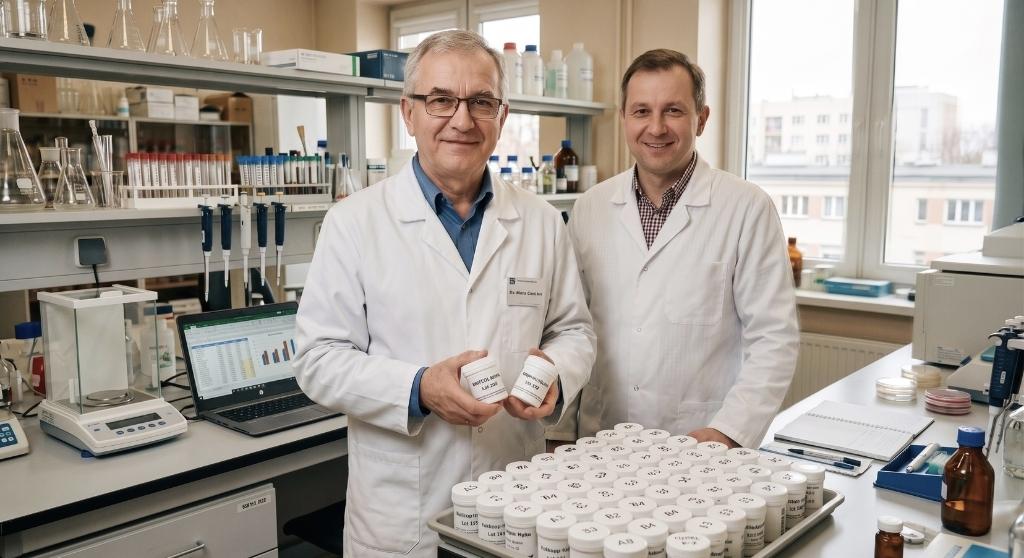
An independent panel of veterinarians and veterinary orthopedic specialists tested the most popular joint supplements available across the United States and Europe. The top-performing product reduced joint pain in 85% of the dogs studied — and it wasn’t made by a well-known brand.
COMPARATIVE STUDY | VETERINARY CLINICAL ANALYSIS
Article reviewed for scientific accuracy by Dr. Markus Sommersby, DVM, a veterinary orthopedic specialist with more than 30 years of clinical experience.
Joint supplements for dogs are everywhere these days. Veterinarians recommend them to nearly every dog over the age of seven. Online forums are full of owners who swear that glucosamine changed their dog’s life.
The promise is appealing — a healthier dog with less pain, without the risks and side effects associated with anti-inflammatory medications. Unlike many popular joint products sold as treats and chews, which are often loaded with sugars, fats, and unnecessary calories, a quality joint supplement is supposed to genuinely support your dog’s body.
And scientific research supports their effectiveness. Ingredients such as glucosamine, chondroitin, and type II collagen are backed by substantial clinical evidence.
But there’s a problem: the vast majority of joint supplements don’t do what their labels promise.
Not because the ingredients don’t work — they do, and the science is clear on that.
The problem is that most formulas rely on a single category of ingredients, often at dosages too low to create any meaningful change in your dog’s joints. What many companies are really selling is the word “glucosamine” on the label rather than measurable results.
That’s why our panel of seven independent veterinarians, veterinary orthopedic specialists, and animal nutrition experts set out to answer a question dog owners ask every day:
Which joint supplement actually works?
The panel evaluated 89 joint supplements available across the United States and the European Union. Products from Virbac, Vebiot, Nutramax, Alavis, Petformed, Dolfos, Canvit, and dozens of smaller brands were included in the testing.
Each supplement was administered for three months to a group of 214 dogs weighing between 3 and 48 kg (7–106 lbs) and ranging from 4 to 16 years of age. The study was conducted in cooperation with veterinary clinics in New York, Chicago, Dallas, and Los Angeles.
Joint mobility and pain levels were assessed using standardized questionnaires before and after supplementation, while the formulation of every product was reviewed by three independent veterinarians.
The results surprised us.
Out of 89 supplements tested, only 5 exceeded the effectiveness threshold established by the panel — meaning 94% failed to meet the standard.
Many supplements, including several well-known brands priced above $30 per package, contained active ingredients at concentrations too low to produce measurable results. Others focused on only one mechanism of action — either cartilage support or anti-inflammatory support — while neglecting the other.
The highest-ranked product delivered noticeable pain relief in as little as 7 days and improved mobility in 85% of the dogs studied. It was also the only supplement in the entire evaluation to combine two distinct mechanisms of action within a single formula: rapid anti-inflammatory support and deep cartilage regeneration. No other product achieved this.
“The difference between the top five products and everything else was enormous,” says Dr. Markus Sommersby, a retired veterinarian with more than 30 years of experience in veterinary orthopedics. “Most joint supplements contain ingredients at dosages that simply don’t produce meaningful results. The best formulas, however, delivered visible improvements within the very first week.”
Before we move on to the full rankings, it’s worth understanding exactly what we evaluated and why joint supplements have become such a common recommendation among veterinarians.
Lead Expert Panel for This Study

Dr. Markus Sommersby, DVM — a retired veterinarian with more than 30 years of experience specializing in veterinary orthopedics. He developed the study protocol, designed the questionnaires, and supervised the entire testing process.

Thomas Meyer — author of this report and owner of Ben, an 8-year-old Labrador with hip dysplasia. His experience with various joint supplements and collaboration with veterinary experts helped bring a practical dog owner’s perspective to this guide.
Why Your Dog Stopped Running as They Got Older — and Why Glucosamine Alone Won’t Fix It
Most owners of dogs over the age of seven know this feeling. Your dog used to jump onto the couch in a single leap. He used to pull you down the street on walks instead of falling behind. He chased tennis balls as if he had unlimited energy.
Then something changed. Not overnight, but gradually over several years. You noticed he ran less and less. He became reluctant to climb stairs.
On walks he moved slowly and stiffly. When he got up from his bed, you heard groans, as if standing up required more effort than it used to.
You did what most owners do. You bought glucosamine because everyone said it worked. Maybe things seemed a little better at first. Or maybe you convinced yourself they were because you wanted to believe it was helping.
A few weeks later your dog was moving exactly the same way. Maybe you tried another brand. Maybe a more expensive one. Maybe you added chondroitin. The result was the same — either a small improvement or none at all.
It’s easy at that point to think it’s simply old age. That this is just how things are now. That nothing can help except pain medication prescribed by your veterinarian. But that isn’t true.
Here’s what veterinarians know today about canine joints, and what has changed the way specialists think about treatment: the cells that were supposed to repair your dog’s cartilage don’t simply slow down with age — they switch sides. They stop producing building material and begin releasing substances that destroy cartilage. The same cells that rebuilt joints in a young dog begin breaking them down in an older dog.
Deep inside every joint in your dog’s body is cartilage — a smooth, elastic tissue that acts as a shock absorber between bones.
This cartilage is built and maintained by cells called chondrocytes. These cells produce type II collagen, chondroitin sulfate, and hyaluronic acid — the substances that allow joints to move smoothly and comfortably.
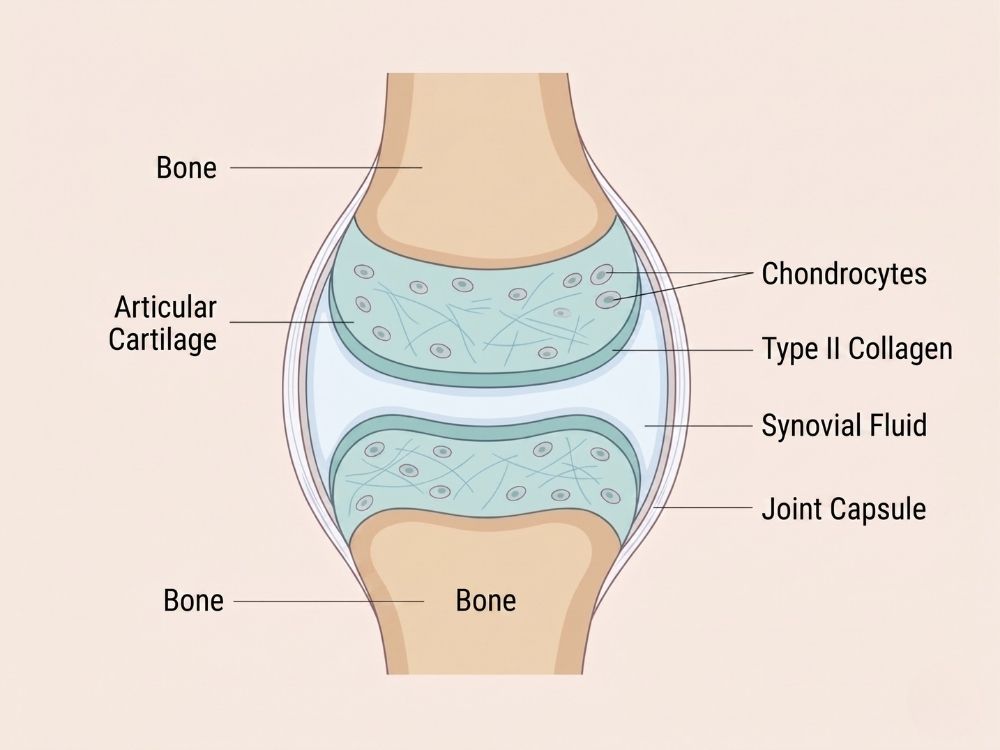
Those chondrocytes are still alive and functioning when your dog is 8, 10, or even 12 years old. They haven’t died. They haven’t disappeared. But they’ve started doing something completely different.
“Imagine a road crew that spent years filling potholes and laying asphalt,” explains Dr. Markus Sommersby. “Then one day, that same crew starts tearing up the road. Same people, same tools — but instead of repairing, they’re destroying. That’s exactly what happens inside the joints of an aging dog.”
Scientists call this process chondrocyte senescence. After age 6–8 (and even earlier in large breeds), chondrocytes enter a state where they produce less and less cartilage-building material — collagen, chondroitin sulfate, and hyaluronic acid — while simultaneously releasing increasing amounts of inflammatory compounds and cartilage-degrading enzymes.
And that’s exactly why glucosamine alone isn’t enough. Glucosamine is a building block — it replaces some of what aging chondrocytes no longer produce.
But it does nothing about the other half of the problem: it doesn’t suppress inflammatory compounds or the enzymes that actively break cartilage down. You’re supplying materials to a construction crew that’s laying them down with one hand and tearing them up with the other.
How Modern Joint Supplements Work
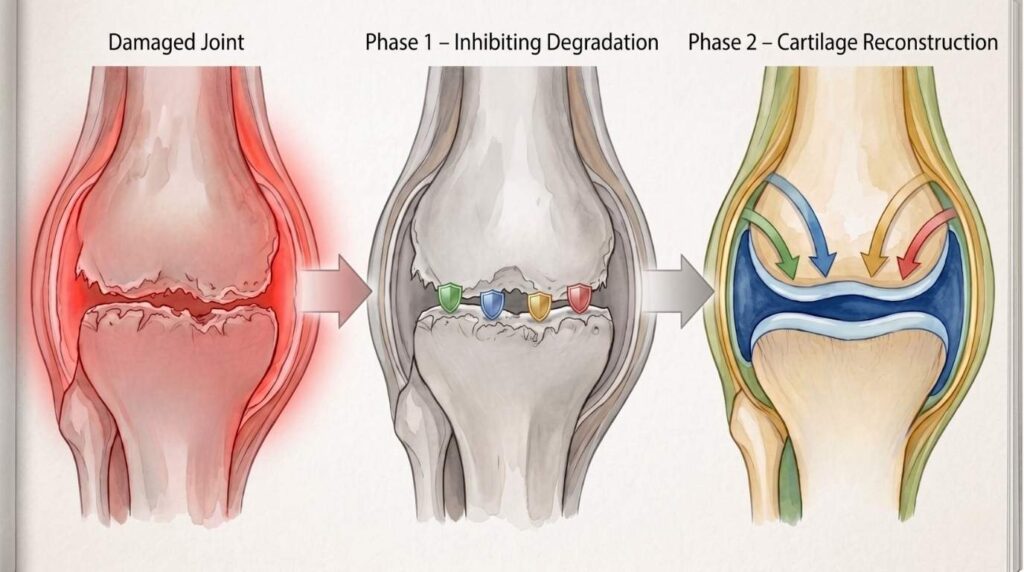
Modern joint supplements have completely changed the strategy behind joint support. If aging chondrocytes are doing two harmful things at the same time — building too little and destroying too much — then an effective supplement has to do two beneficial things at the same time: slow destruction and support rebuilding. The panel referred to this as a two-phase approach.
Phase 1: Slowing Down Joint Degeneration (Anti-Inflammatory Ingredients)
Anti-inflammatory ingredients such as MSM, Boswellia serrata, and bromelain directly counter inflammatory processes inside the joint. They suppress inflammatory mediators, inhibit cartilage-degrading enzymes, and reduce swelling.
Results are often noticeable within 7–14 days — not because they “mask pain,” but because they suppress the inflammatory compounds released by aging chondrocytes.
MSM (organic sulfur) reduced pain scores by 17.1% in dogs with osteoarthritis in just 14 days. Boswellia serrata improved outcomes in 71% of dogs after two weeks of supplementation.
Bromelain proved comparable to anti-inflammatory medications in reducing inflammation — without the same side effects. Phase 1 does something critically important: it neutralizes the damage being caused by aging chondrocytes. As inflammation decreases, dogs begin moving more.
Movement improves joint lubrication. Better lubrication slows further degeneration. Most importantly, the structural ingredients delivered in Phase 2 finally have a chance to work because they are no longer being constantly broken down by inflammatory compounds.
Phase 2: Supporting Cartilage Repair (Structural Ingredients)
Rebuilding ingredients such as hydrolyzed type II collagen, glucosamine, green-lipped mussel, and chondroitin provide the structural material that aging chondrocytes no longer produce in sufficient quantities. They replace missing building blocks, stimulate synovial fluid production, and support cartilage repair. Results require 2–3 months of consistent supplementation, but they tend to last.
Type II collagen increases cartilage matrix density by 22%. Glucosamine reduces degenerative changes by 41.7%. Green-lipped mussel lowers pain scores by 67% more than placebo thanks to its unique profile of omega-3 fatty acids.
The real benefits of Phase 2 only become apparent when joint destruction has already been slowed in Phase 1. The structural compounds enter a joint where inflammation is under control, giving them a chance to contribute to cartilage repair instead of being immediately broken down by inflammatory enzymes.
These two mechanisms must exist side by side. Phase 1 creates the conditions that allow Phase 2 to work. Phase 2 rebuilds cartilage, while Phase 1 protects it from further destruction.
Why Two-Phase Supplements Deliver Much Better Results Than Single-Ingredient Products
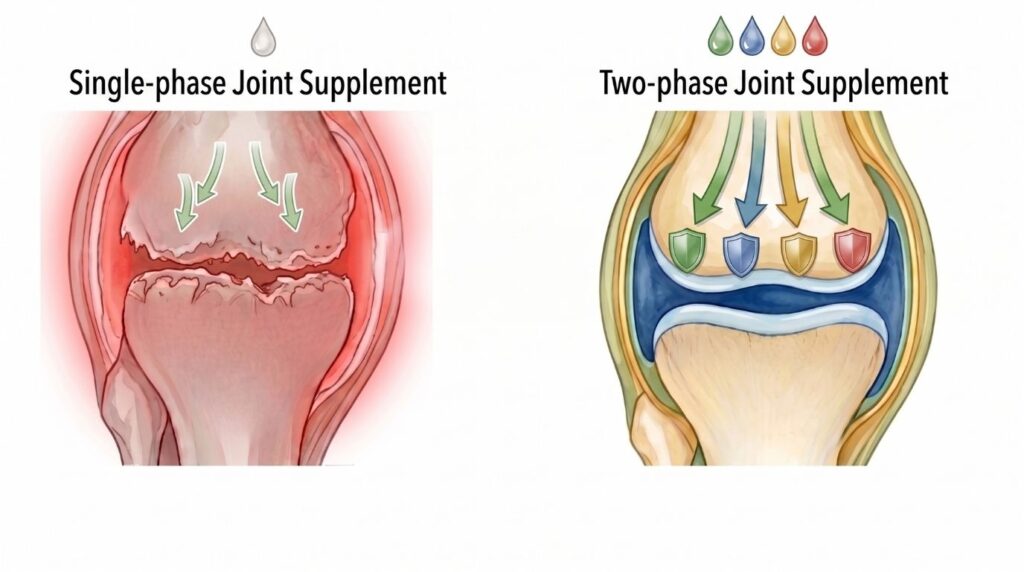
Most joint supplements on the market address only one of these two processes. Some provide structural ingredients (collagen, glucosamine, chondroitin) but do nothing to slow degeneration. Others reduce inflammation (Boswellia, omega-3s) but don’t provide rebuilding material. That simply isn’t enough.
The panel’s data confirmed this clearly. Supplements combining both mechanisms — slowing destruction and supporting rebuilding — produced mobility improvements that were, on average, 2.4 times greater than products built around a single mechanism. The relationship remained consistent regardless of brand, price, or delivery format.
“Two processes are taking place simultaneously inside the joints of an older dog, and neither can be ignored,” says Dr. Markus Sommersby. “A supplement that slows destruction but doesn’t provide building material slows the disease but doesn’t reverse it. A supplement that provides building material but doesn’t slow destruction wastes much of that material because inflammation continues breaking it down. Only when you do both do the effects begin reinforcing each other — and that’s when owners start seeing meaningful improvement.”
Two-Phase Supplements vs. Single Ingredients: A Complete Comparison
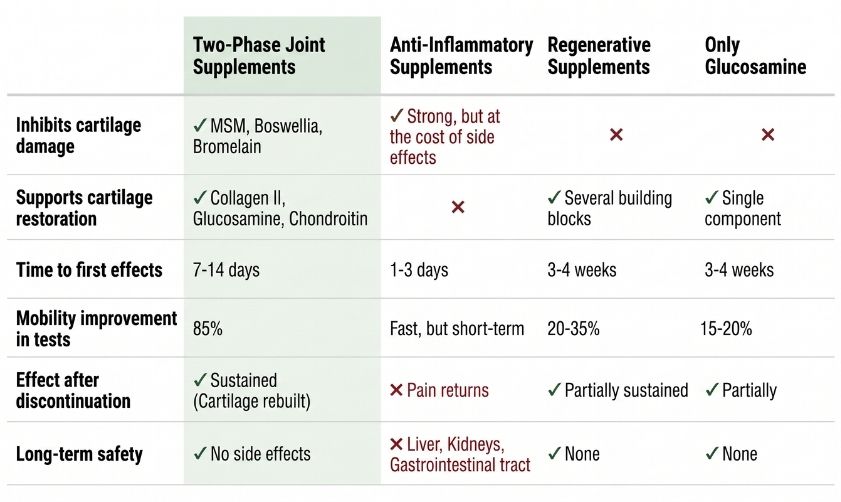
One of the most common questions owners asked was simple: how do two-phase supplements compare with what most people are already buying — glucosamine alone, collagen alone, traditional rebuilding formulas, and anti-inflammatory medications? The table above was created using panel data and published clinical research.
One pattern is impossible to ignore. Anti-inflammatory medications work — no serious expert disputes that. They slow cartilage destruction quickly and effectively. But they don’t provide building material. Once treatment stops, pain often returns because nothing was rebuilt in the meantime. And with long-term use, the liver, kidneys, and digestive system pay a heavy price.
Traditional rebuilding formulas — classic combinations of glucosamine and chondroitin, sometimes with collagen — address the other side of the problem. They provide material for repair and stimulate synovial fluid production.
But they do not suppress the inflammatory processes that continue breaking cartilage down every day. The building material enters an inflamed joint environment — part of it is wasted before it ever has a chance to help. With glucosamine or collagen alone, the problem is even worse.
“The pattern is always the same,” says Dr. Markus Sommersby. “Anti-inflammatory drugs slow destruction but don’t rebuild. Structural ingredients rebuild but don’t slow destruction. Single ingredients do even less. Two-phase supplements are the only category that addresses both processes taking place inside an older dog’s joints — without compromise and without side effects. They’re not a milder version of anti-inflammatory drugs or a stronger version of glucosamine. They’re a completely different approach to the same problem.”
What Separated the Top Five from the Other 84 Products: The Panel’s Criteria
Out of the 89 supplements tested, 84 failed to exceed the effectiveness threshold. Ninety-four percent of products were eliminated, which shows just how wide the gap is between what manufacturers promise and what actually works. Store shelves are filled with products featuring impressive-sounding ingredients on the label, but at doses too low to produce any meaningful effect.
Here’s what the panel evaluated — and why these criteria eliminated almost everything on the market.
Criterion #1: Two-Phase Action — Fast Relief + Deep Regeneration
The first question the panel asked about every supplement was simple: does it combine fast-acting anti-inflammatory ingredients with structural compounds designed for long-term regeneration?
Does it address both mechanisms or only one? Products with full two-phase coverage consistently produced mobility improvements that were two to three times greater.
Criterion #2: Clinically Validated Dosages
This criterion eliminated the largest number of formulas. Many brands include clinically validated ingredients on the label — but at concentrations far below those used in successful studies.
Our analysis showed that only 28% of supplements on the market contained ingredients at doses consistent with published scientific research.
“The ingredient itself has proven benefits. But the amount included in the product is only a fraction of what was used in clinical studies. At those doses, you’re paying for the label, not the result.”
Criterion #3: Safety and Manufacturing Quality
Products manufactured in the European Union are subject to strict purity standards and are tested for heavy metals, pesticides, and pathogens. The panel awarded higher scores to supplements produced under GMP and HACCP certification, with veterinary oversight and full ingredient transparency — including clear identification of potential allergens.
Many products on the market are essentially flavored treats, and those often contain large amounts of sugar, fat, and fillers while providing only trace amounts of active ingredients. The cleanest formulations tended to be powdered supplements.
Criterion #4: Acceptance by Dogs
Even the best formula won’t help if a dog refuses to eat it. During testing, the differences were dramatic — acceptance ranged from as little as 40% for some tablets to more than 90% for flavored powders. Delivery format and taste directly influence whether owners continue supplementation consistently.
Criterion #5: Long-Term User Feedback
The final criterion was reputation among owners who had used the product for at least three months. This is the highest hurdle any supplement can clear — because it means the product stood the test of time with real dogs facing real joint problems.
After applying these five criteria, the panel ranked the five products that successfully made it through the evaluation process — from fifth place to first.
What to Expect: Real Results From Our Testing
Before we move on to the rankings, here’s what owners can realistically expect when using one of the highest-rated supplements.
First serving. The dog willingly eats the supplement.
Days 1–3. No visible changes. Structural ingredients begin absorbing. If the formula contains piperine or other absorption enhancers, uptake of active compounds increases from the very first dose.
Days 7–14. If the formula contains anti-inflammatory ingredients (MSM, Boswellia, bromelain), the first effects appear: the dog gets up more easily, hesitates less before climbing stairs, and is more eager to go for walks. This is not regeneration yet — it is anti-inflammatory relief interrupting the cycle of pain.
Weeks 3–4. Mobility improvements become noticeable. The dog is more active and more willing to play. Most owners in our study first recognized a meaningful difference at this stage, especially when comparing their dog’s condition to the first week.
Months 2–3. This is where the greatest improvements occur. Structural ingredients such as collagen, glucosamine, and chondroitin have had enough time to support cartilage repair. The dog is not only experiencing less discomfort — the joints themselves are in better condition. In our study, 85% of dogs maintained improvement even three months after completing supplementation with the highest-ranked product.
“The cumulative effect is what makes two-phase supplements so effective,” says Dr. Markus Sommersby. “Owners who maintain consistent supplementation for three months usually see results that surprise them. Improvement is gradual, so it isn’t obvious from day to day, but when you compare the dog’s condition to where it was at the beginning, the difference can be remarkable.”
Complete Ranking: The 5 Most Effective Joint Supplements for Dogs According to the Panel’s Data
The rankings were based on mobility and pain survey results, ingredient analysis, mechanism coverage, and long-term tolerability. Products were scored on a 100-point scale. Only five exceeded the 80-point threshold. Here are the most effective joint supplements available in the United States according to the data collected.
#5: Movoflex Soft Chews by Virbac
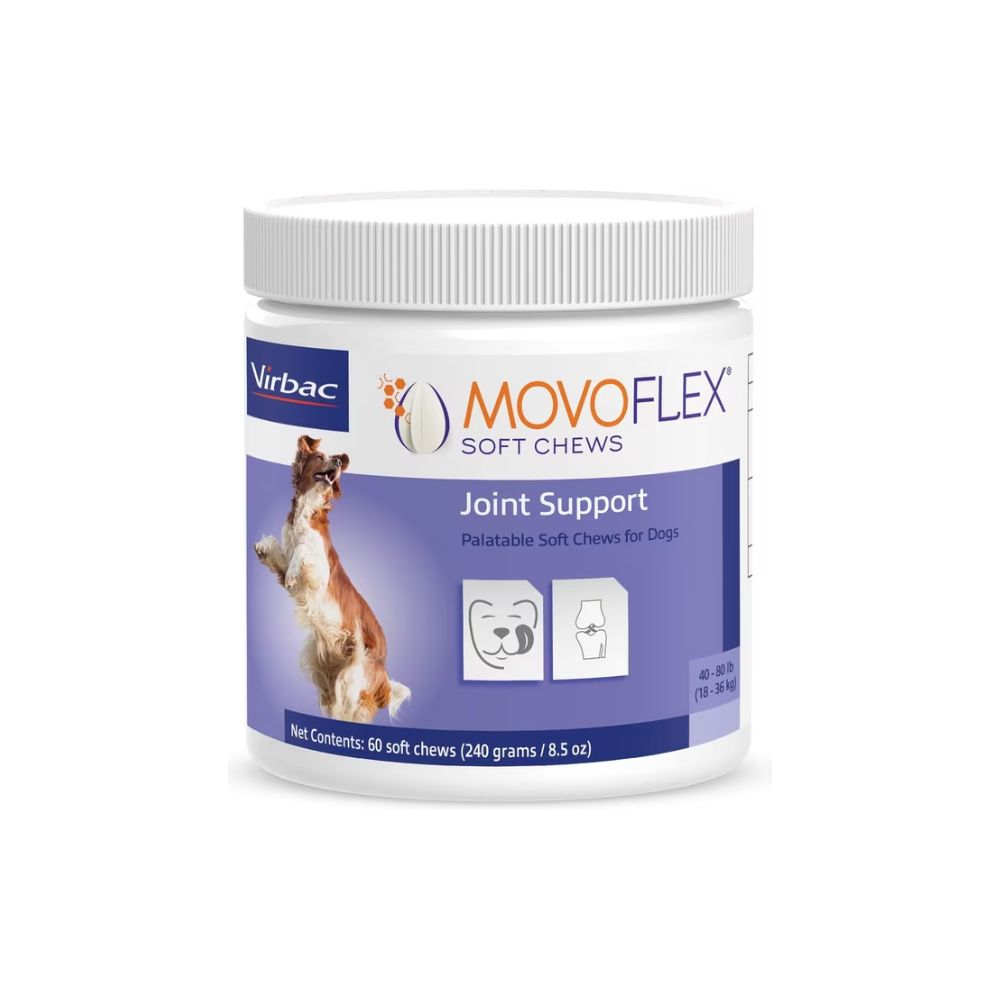
Effectiveness Score: 81/100
Coverage of the 2 Mechanisms: 1.5 out of 2 Phases (both phases are present, but the anti-inflammatory phase remains below the therapeutic threshold)
A Formula Built Around Eggshell Membrane: Analysis of the formula reveals five active ingredients: eggshell membrane (BIOVAFLEX®) 132 mg, natural astaxanthin from algae (ZANTHIN®) 26 mg, hyaluronic acid 16 mg, Boswellia serrata extract 10 mg, and vitamin D3 100 IU. Compared with many supplements that focus on only one category of ingredients, Movoflex deserves credit for attempting to cover both phases in a single product, while eggshell membrane naturally provides collagen and elastin.
Dosages Compared With Clinical Research: The issue becomes clear when looking at the concentrations. Boswellia serrata — one of the most thoroughly studied anti-inflammatory ingredients in joint supplementation — is present at only 10 mg. Clinical studies demonstrating Boswellia’s effectiveness at inhibiting 5-LOX enzymes used doses ranging from 100 to 250 mg. The #1 ranked product contains 150 mg. The amount in Movoflex represents only 4–10% of what has been used successfully in research — the difference between therapeutic activity and simply appearing on the label.
Observed Results:
- 65% of dogs showed improved mobility
- 59% of dogs showed increased physical activity
- 63% of owners chose to continue supplementation after the testing period
Initial improvements became noticeable after approximately 3–4 weeks of use, while full joint benefits appeared after 2–3 months of consistent supplementation.
Tolerance: Very good. The once-daily soft chews are convenient and well accepted by dogs. Virbac enjoys a strong reputation among veterinarians. No significant side effects were observed.
Why It Ranked Lower in the Two-Phase Evaluation: The overall direction of the formula is correct — the manufacturer understands that a joint supplement should reduce inflammation while also providing structural support. The problem lies in the dosages and ingredient selection. Boswellia at 10 mg is fifteen times lower than the amount used in the #1 product. The rebuilding side of the formula could also be stronger. Eggshell membrane is an interesting ingredient, but the formula lacks glucosamine, chondroitin, and type II collagen — the three pillars supporting the higher-ranked products.
Position in the Ranking: A convenient, well-tolerated supplement from a respected manufacturer. Unfortunately, the ingredient profile and dosages do not live up to the ambition of the formula. Best suited for everyday prevention in dogs without significant joint problems, rather than for active inflammation or degeneration.
Availability: Widely available throughout the United States via Chewy, Amazon, Petco, PetSmart, and veterinary clinics. Format: soft chews.
CHECK PRODUCT AVAILABILITY
#4: Dasuquin with MSM by Nutramax
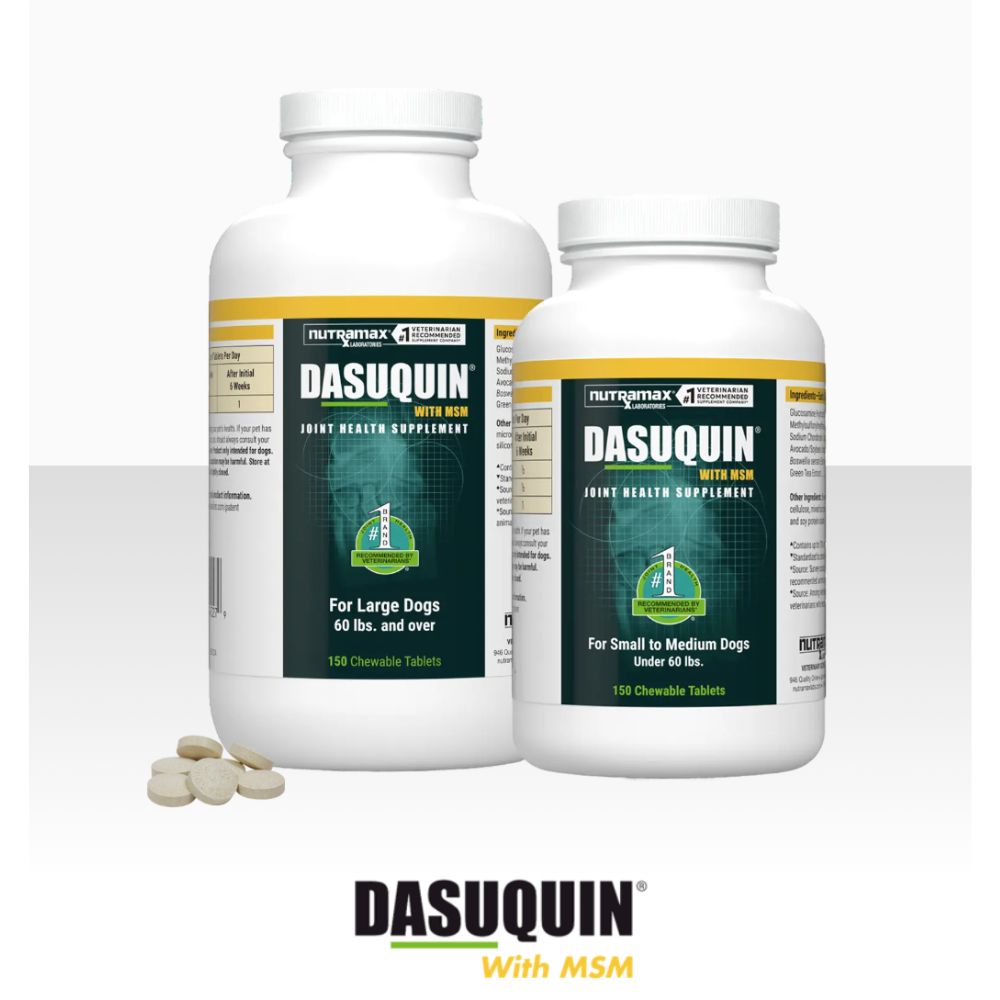
Effectiveness Score: 84/100
Coverage of the 2 Mechanisms: 1.5 out of 2 Phases (both phases are present in meaningful amounts, but the anti-inflammatory phase could be stronger)
The Most Complete Traditional Veterinary Formula: Analysis of the formula reveals a combination of regenerative and anti-inflammatory ingredients: glucosamine HCl 600 mg, MSM 400 mg, chondroitin sulfate 250 mg, avocado/soybean unsaponifiables (ASU) 45 mg, Boswellia serrata extract, and green tea extract (values for dogs up to 60 lbs; large-breed formula contains glucosamine 900 mg, MSM 800 mg, chondroitin 350 mg, ASU 90 mg). This is one of the most frequently recommended joint supplements in veterinary practices across the United States.
A Two-Directional Approach: ASU (avocado/soybean unsaponifiables) helps slow early degenerative changes and reduces the activity of cartilage-degrading enzymes. It provides both protective and anti-inflammatory benefits while enhancing the effects of glucosamine and chondroitin. On the rebuilding side, the formula includes meaningful amounts of glucosamine and chondroitin. On the anti-inflammatory side, it contains MSM and Boswellia. Both mechanisms are present — and not merely in symbolic amounts.
Observed Results:
- 70% of dogs showed improved mobility
- 65% of dogs showed greater willingness to move and play
- 78% of owners reported lasting improvement after completing supplementation
Initial results became noticeable after approximately 4–6 weeks, with more significant improvement observed after the full introductory supplementation period.
Tolerance: Good. Available as chewable tablets. Some dogs required the tablet to be hidden in food. Nutramax is one of the most trusted names in the American veterinary market. No significant adverse effects were observed.
Why It Didn’t Score Higher: Dasuquin is a solid and complete formula — and that alone sets it apart from simpler products. The limitation is not what it lacks, but how its anti-inflammatory phase works. It relies primarily on MSM and a moderate amount of Boswellia. This approach works, but it is relatively slow and largely one-directional. It lacks a fast-acting, multi-pathway anti-inflammatory phase capable of delivering relief during the first days of use. It also lacks type II collagen and green-lipped mussel, both of which strengthen the rebuilding phase in higher-ranked products. It is a safe and effective formula, but stronger options exist.
Position in the Ranking: A well-known and widely available supplement from one of the most recognized veterinary brands in the United States. The inclusion of ASU and a dual-mechanism design demonstrates that the manufacturer understands the importance of a two-phase approach. An excellent choice for owners who trust established veterinary brands and want reliable long-term joint support, although meaningful anti-inflammatory relief takes longer than with the products ranked above it.
Availability: Widely available in the United States through Chewy, PetSmart, Tractor Supply, 1800PetMeds, and veterinary clinics.
CHECK PRODUCT AVAILABILITY
#3: Antinol Plus by Antinol
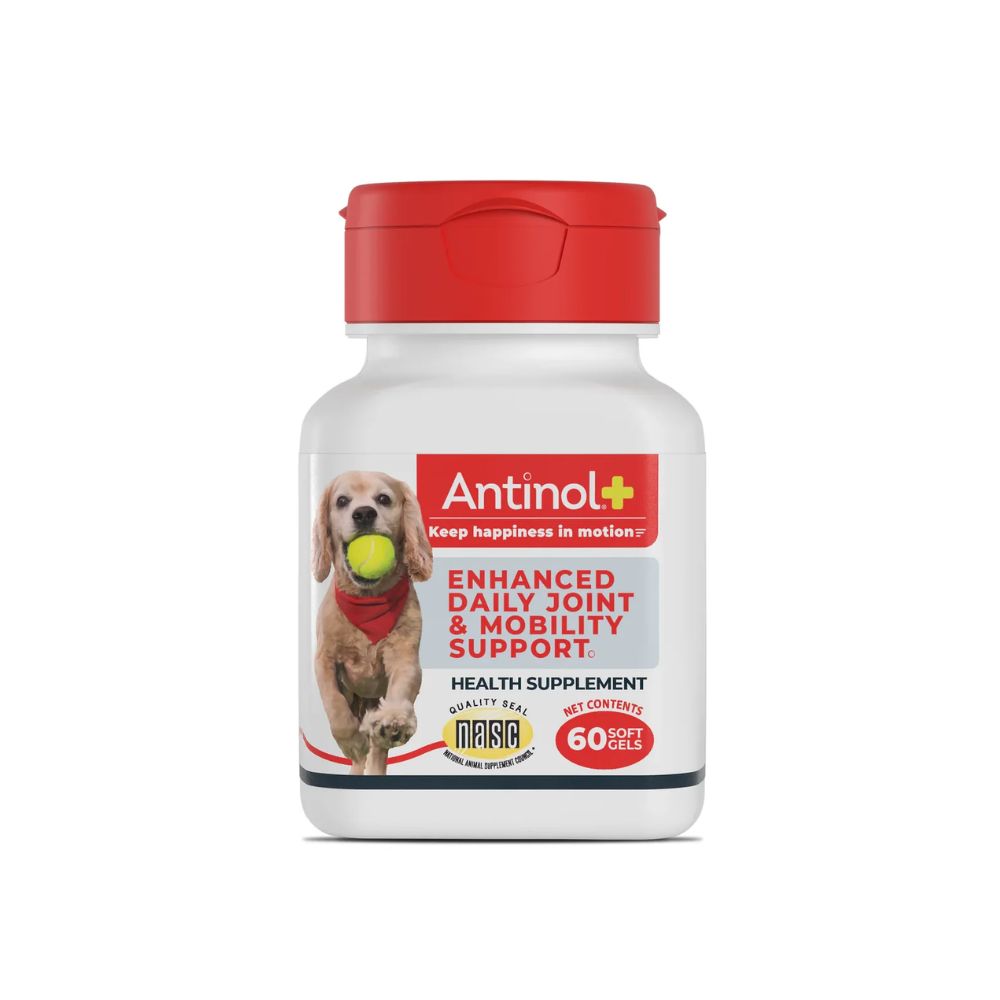
Effectiveness Score: 86/100
Coverage of the 2 Mechanisms: 1.5 out of 2 Phases (Phase 1 is exceptionally strong and fast; Phase 2 is limited)
The Strongest Anti-Inflammatory Phase in the Comparison: Analysis of the formula reveals a product that breaks away from the traditional approach in a fascinating way. Each capsule contains 50 mg of the proprietary EAB-277 (PCSO-524®) blend — a combination of green-lipped mussel (Perna canaliculus) oil and krill oil. This provides more than 90 fatty acids, including rare ETA and OTA compounds that act directly on inflammatory pathways.
This is where the ranking becomes particularly interesting. Antinol delivers the strongest single anti-inflammatory mechanism among all competitors except the winner. Marine lipids influence inflammatory cascades more rapidly than most conventional ingredients. Clinical studies using objective measurements have demonstrated the effectiveness of this extract in reducing pain associated with canine osteoarthritis.
Observed Results:
- 76% of dogs showed improved mobility
- 69% of dogs showed greater interest in physical activity
- 74% of owners noticed results within 7–10 days
Particularly noteworthy is the speed of action. Initial improvements were often visible within 10–14 days, placing Antinol among the fastest products in the comparison when it comes to pain relief.
Tolerance: Very good. Softgel capsules are convenient to administer. Note: the product contains marine-derived ingredients and should not be used in dogs with shellfish allergies. No significant side effects were reported apart from occasional mild digestive upset.
Why It Didn’t Rank Higher: This is where the Antinol paradox appears. Phase 1 is among the best in the entire comparison. Marine lipids act quickly and directly on inflammation. If we were evaluating anti-inflammatory supplements alone, Antinol would rank near the very top.
But Phase 2 is its weak point — quite literally. The formula contains no structural rebuilding ingredients: no glucosamine, no chondroitin, no type II collagen, and no hyaluronic acid. The entire formula focuses on anti-inflammatory support. The product ranked #2 includes several rebuilding compounds. Antinol includes none. Marine lipids are valuable, but they cannot rebuild cartilage on their own.
This is the opposite problem of the lower-ranked products. Movoflex and Dasuquin provide rebuilding support. Antinol puts all its resources into anti-inflammatory action and does that extremely well. It excels at putting out the fire, but it does not rebuild what has already burned down.
Position in the Ranking: The most surprising supplement in the comparison and the clearest example of why a single strong phase is not enough. Dogs taking Antinol often experience fast and noticeable pain relief. But long-term joint recovery requires more than anti-inflammatory support alone. It is an excellent choice when immediate pain reduction is the primary goal, but not a complete long-term solution.
Availability: Available throughout the United States via the manufacturer’s website and Amazon. Format: softgel capsules.
CHECK PRODUCT AVAILABILITY
#2: Cosequin Maximum Strength Plus MSM by Nutramax
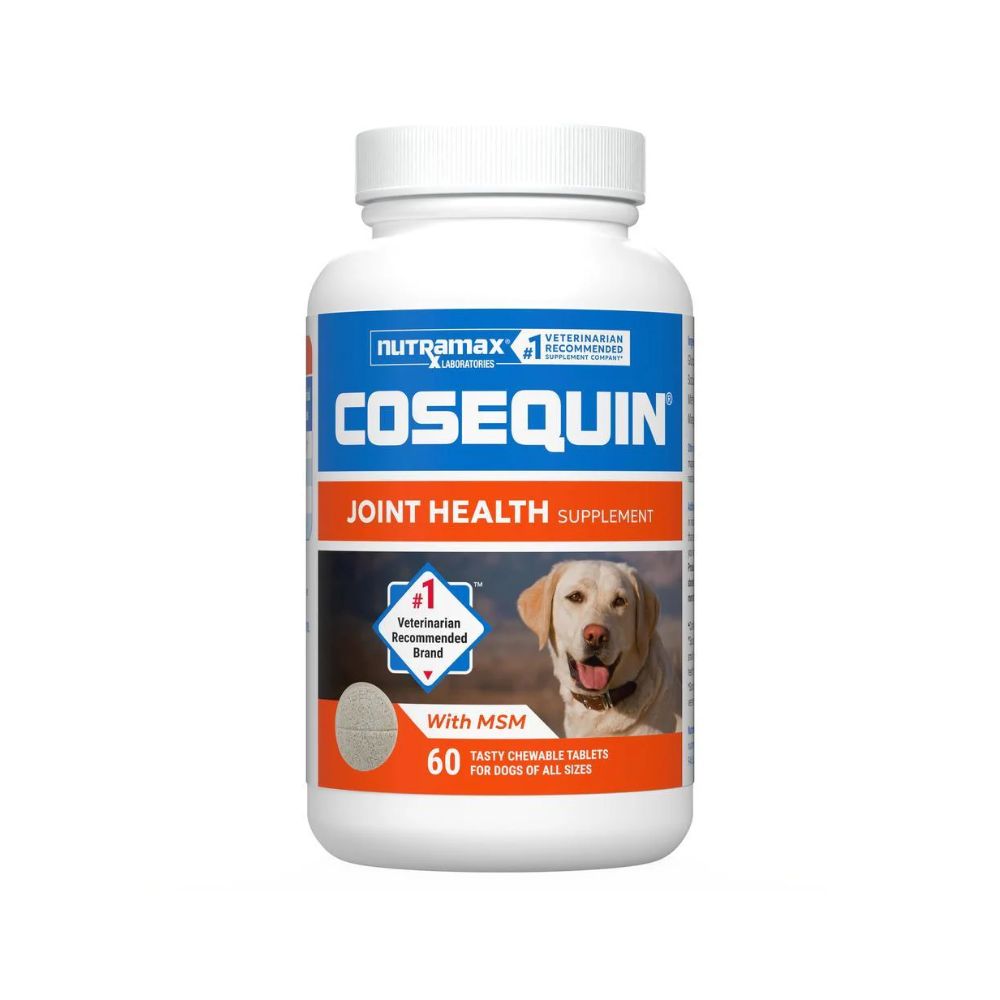
Effectiveness Score: 87/100
Coverage of the 2 Mechanisms: 1.75 out of 2 Phases (an extensive rebuilding phase, but an anti-inflammatory phase built around a single ingredient)
The Most Complete Phase 2 — Cartilage Rebuilding: Analysis of the formula reveals a full set of structural ingredients in meaningful dosages: glucosamine HCl 600 mg, chondroitin sulfate 300 mg, MSM 250 mg, hyaluronic acid, and manganese. This is the most comprehensive rebuilding phase in the comparison outside of the winner, produced by one of the most veterinarian-recommended brands in the United States.
Glucosamine stimulates proteoglycan production. Chondroitin helps cartilage retain water while inhibiting degenerative enzymes. Hyaluronic acid improves the quality of joint fluid. Together, they form a strong cartilage-support system. In addition, MSM 250 mg serves as a dedicated anti-inflammatory ingredient that helps suppress inflammatory cytokines such as IL-6 and TNF-α.
Observed Results:
- 78% of dogs showed improved mobility
- 71% of dogs showed greater willingness to be active
- 83% of owners chose to continue supplementation after the testing period
Initial improvements became visible after approximately 2–3 weeks, while more substantial results appeared after a full 4–6 week supplementation period and continued with long-term use.
Tolerance: Very good. Cosequin is one of the most veterinarian-recommended joint supplement brands in the United States. The chewable tablets were readily accepted by most dogs. No significant adverse effects were reported. Suitable for long-term use.
Why It Didn’t Take First Place: Cosequin is essentially the mirror image of Antinol — and together they perfectly demonstrate why neither one wins the comparison. Antinol has a powerful Phase 1 (anti-inflammatory support) but almost no Phase 2 (rebuilding support). Cosequin has a highly developed Phase 2 but limits Phase 1 to a single ingredient: MSM. If the strengths of both products could be combined, the result would come very close to the winner.
Cosequin’s anti-inflammatory phase relies entirely on MSM — a single mechanism for reducing inflammation. The #1 ranked product combines MSM with Boswellia, bromelain, and green-lipped mussel extract — four ingredients targeting inflammation through four separate pathways: inflammatory cytokines, 5-LOX enzymes, inflammatory proteins, and prostaglandins. MSM alone generally requires 2–3 weeks before meaningful improvement becomes noticeable. A complete anti-inflammatory formula works faster and through more pathways. That early relief often determines whether owners continue supplementation long enough for Phase 2 to produce its full benefits.
Position in the Ranking: An excellent rebuilding formula and the only serious competitor to the winner in terms of Phase 2 completeness. It comes from a brand trusted by veterinarians throughout the United States. The structural ingredients are present in meaningful dosages and clearly reflect a formula designed for long-term support rather than cost-cutting. The difference between #2 and #1 comes down almost entirely to the speed and breadth of the anti-inflammatory phase.
Availability: Widely available throughout the United States via Chewy, Amazon, Walmart, Sam’s Club, and veterinary clinics. Format: chewable tablets.
CHECK PRODUCT AVAILABILITY
#1: Joint Treats by Petformed
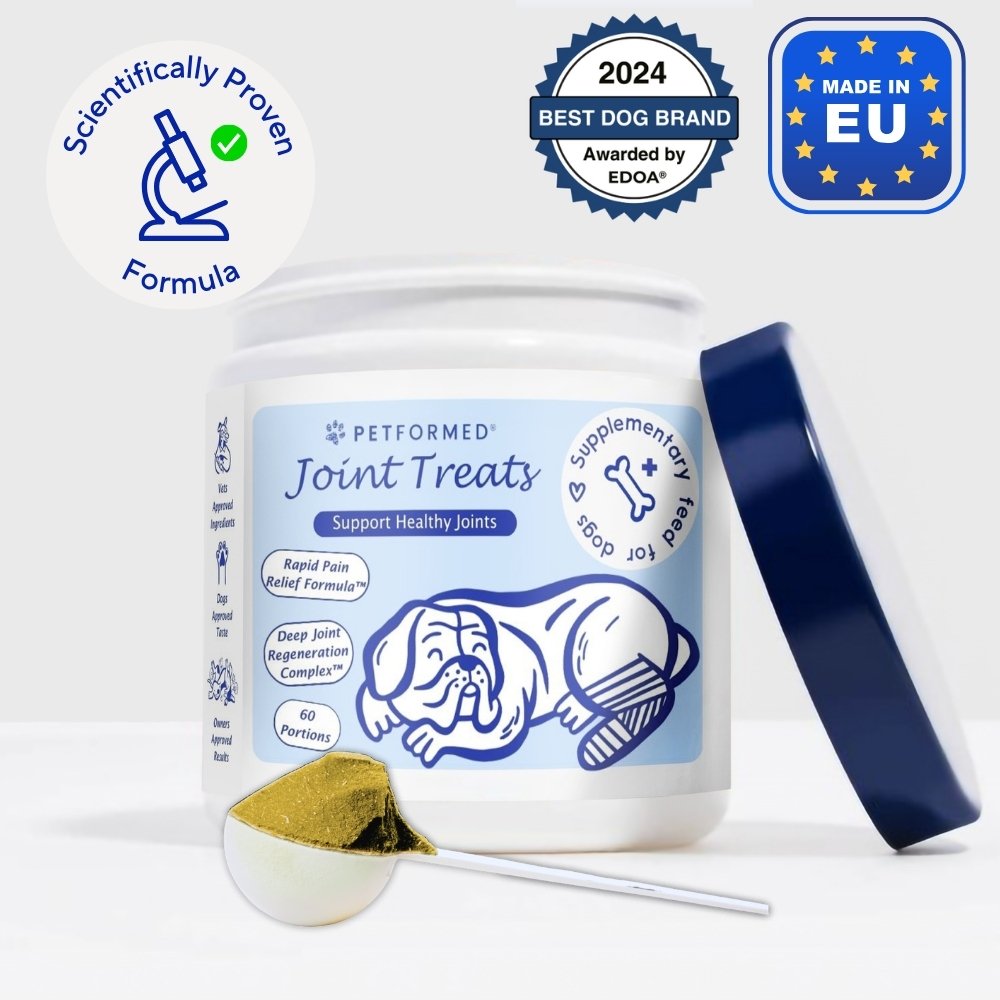
Effectiveness Score: 96/100
Coverage of the 2 Mechanisms: 2 out of 2 Phases — the only supplement in the comparison with a complete two-phase formula at therapeutic dosages
High Concentrations of Active Ingredients: Analysis of the formula reveals 9 active ingredients, each included at a dosage that matches or exceeds levels used in clinical studies. Every ingredient is present at a therapeutic dose and fulfills a specific role within the two-phase mechanism of helping your dog’s joints.
Complete Coverage of Both Mechanisms: This is the characteristic that separated Joint Treats from every other product in the comparison. It is the only supplement that combines a complete anti-inflammatory phase with a complete rebuilding phase in a single formula.
Phase 1 – Stopping Joint Degeneration
- MSM 200 mg — A natural sulfur compound that rapidly reaches joint tissues, reducing inflammation and improving mobility. Studies demonstrated a 17.1% reduction in pain scores after only 14 days of use.
- Boswellia serrata 150 mg — An extract from the frankincense tree with powerful anti-inflammatory properties. Clinical research involving dogs showed improvement in 71% of subjects after just two weeks of supplementation.
- Bromelain — A natural enzyme derived from pineapple with potent anti-inflammatory effects. It suppresses inflammatory mediators and helps reduce swelling around joints. Studies have shown bromelain to be comparable to anti-inflammatory medications in reducing osteoarthritis-related discomfort.
- Vitamin C – 45 mg — A powerful antioxidant that supports collagen synthesis and helps protect cartilage from degeneration. It promotes tissue repair while reducing oxidative stress. Research suggests that dogs with joint disorders often have lower vitamin C concentrations in joint fluid.
Phase 2 – Rebuilding Joint Cartilage
- Hydrolyzed Type II Collagen — The primary structural protein found in joint cartilage, supplying amino acids required for regeneration. The hydrolyzed form used in Joint Treats increases bioavailability by up to 85%.
- Glucosamine — Supports synovial fluid production and functions as a lubricant for joints. Research has demonstrated a 41.7% reduction in degenerative changes compared with placebo groups.
- Chondroitin Sulfate — Helps cartilage retain water, improving elasticity and shock absorption.
- Green-Lipped Mussel Extract — Provides a unique blend of omega-3 fatty acids that helps protect cartilage from degradation. Studies have demonstrated pain reduction scores 67% greater than placebo.
- Piperine — A natural alkaloid derived from black pepper that improves the absorption of active ingredients such as bromelain, vitamin C, and glucosamine. Research has shown piperine can significantly increase nutrient bioavailability, enhancing their effectiveness within joint tissues.
Joint Treats combines powerful anti-inflammatory compounds with a complete rebuilding phase, making it the strongest joint supplement in the comparison.
Documented Mechanism of Action: Phase 1 (MSM + Boswellia + bromelain + green-lipped mussel extract) begins working within the first 2–3 weeks. These four ingredients target inflammation through four complementary pathways. Dogs stand up more easily, limp less, and become more willing to go for walks. At the same time, Phase 2 (type II collagen + glucosamine + chondroitin + green-lipped mussel) begins supporting deep cartilage regeneration. Regenerative effects continue building for 8–12 weeks and accumulate with each cycle of cartilage renewal. Fast relief and long-term rebuilding — not one or the other.
Observed Results:
- 85% of dogs showed improved mobility
- 79% of dogs showed greater willingness to be active
- 91% of owners continued supplementation after the testing period
Results became noticeable after just 7 days (pain reduction), while significant improvements in joint condition appeared after 2–3 months of consistent use.
Delivery Format: Powder mixed directly into food — easy to blend with meals while providing full control over dosage. No need to hide tablets or force dogs to swallow capsules.
Recipient of the European Dog Owners Association 2024 Award: Joint Treats by Petformed was recognized as the most effective joint supplement, an award granted based on evaluations by an independent panel of 14 veterinarians and animal nutrition experts from among 220 products submitted across Europe. It is currently used in more than 60 veterinary clinics across Europe because of its documented effectiveness.
Position in the Ranking: The highest-rated supplement in every category. The difference between #1 and #2 is not simply the quality of the rebuilding phase — Cosequin performs very well there. The real distinction is that Joint Treats includes four separate anti-inflammatory ingredients working together within a complete two-phase system.
Availability: Direct order through the Petformed website, with delivery throughout the United States.
CHECK PRODUCT AVAILABILITY
The 5 Best Joint Supplements for Dogs — Key Findings at a Glance
For Maximum Joint Health Improvement: Joint Treats, Petformed (#1) — The only formula with complete coverage of both the anti-inflammatory phase and the rebuilding phase. Contains 9 ingredients at therapeutic dosages. Mobility improvements were observed in 85% of dogs. Powder format that mixes easily with food.
For Advanced Cartilage Regeneration With Partial Anti-Inflammatory Support: Cosequin Maximum Strength Plus MSM, Nutramax (#2) — Glucosamine 600 mg + Chondroitin 300 mg + MSM 250 mg + Hyaluronic Acid. Mobility improvements were observed in 78% of dogs. The most comprehensive rebuilding phase among competitors, but the anti-inflammatory phase relies on a single ingredient (MSM). Produced by one of the most veterinarian-recommended brands in the United States.
For Fast Anti-Inflammatory Relief: Antinol Plus, Antinol (#3) — Marine lipids from green-lipped mussel and krill (PCSO-524®). Mobility improvements were observed in 76% of dogs. The strongest and fastest anti-inflammatory phase among competitors, but without structural rebuilding ingredients. Delivers some of the fastest pain relief in the comparison (10–14 days), but does not actively rebuild cartilage.
For Everyday Veterinary Joint Support: Dasuquin with MSM, Nutramax (#4) — Glucosamine + Chondroitin + ASU + MSM + Boswellia. Mobility improvements were observed in 70% of dogs. One of the most widely recognized veterinary brands in the United States. Both phases are present in meaningful amounts, although the anti-inflammatory phase is slower and more limited than higher-ranked formulas.
For Convenient Daily Support: Movoflex Soft Chews, Virbac (#5) — Eggshell membrane + Boswellia + astaxanthin + hyaluronic acid + vitamin D3. Mobility improvements were observed in 65% of dogs. Convenient once-daily soft chew format with both phases represented, but anti-inflammatory dosages remain below therapeutic levels and several key rebuilding ingredients are absent.

